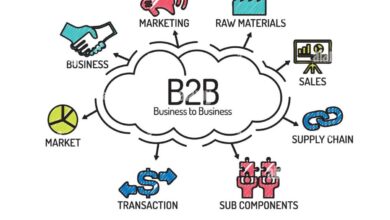
Ever wondered what ‘b2b meaning’ really is? It’s more than just business jargon—it’s the backbone of global commerce. Let’s break it down in simple, powerful terms.

Understanding the Core B2B Meaning

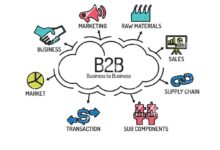
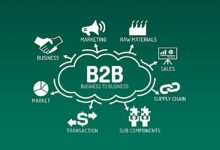
The term b2b meaning refers to ‘business-to-business,’ a model where companies sell products or services to other businesses rather than individual consumers. This model dominates industries like manufacturing, software, and wholesale distribution.
What Does B2B Stand For?
B2B stands for ‘business-to-business.’ Unlike B2C (business-to-consumer), where companies target end-users, B2B focuses on transactions between two business entities. For example, a company that produces microchips might sell them to another company that builds smartphones.
- B2B involves longer sales cycles and higher transaction values.
- Decision-making is often complex, involving multiple stakeholders.
- Relationships are typically long-term and contract-based.
Historical Evolution of B2B
The concept of B2B has existed since the dawn of trade, but it evolved significantly during the Industrial Revolution. As factories emerged, the need for raw materials, machinery, and logistics created a structured B2B ecosystem.
In the 20th century, with the rise of corporations and supply chains, B2B became more formalized. The advent of the internet in the 1990s revolutionized B2B commerce, enabling online marketplaces and digital procurement systems.
“B2B is not just a transaction; it’s a relationship built on trust, value, and mutual growth.” — Forbes Insights, 2022
B2B Meaning in Modern Commerce
Today, understanding the b2b meaning is crucial for entrepreneurs, marketers, and executives. The digital transformation has redefined how businesses interact, collaborate, and transact.
The Role of Technology in B2B
Technology has become the driving force behind modern B2B operations. Platforms like Salesforce B2B Commerce enable companies to manage complex sales pipelines, customer data, and supply chain logistics efficiently.
- Cloud-based ERP systems streamline procurement and inventory.
- AI-powered analytics enhance decision-making and forecasting.
- E-commerce platforms allow 24/7 global transactions.
B2B vs. B2C: Key Differences
While both models involve selling, the b2b meaning diverges sharply from B2C in several ways:
- Audience: B2B targets businesses; B2C targets individual consumers.
- Sales Cycle: B2B sales cycles are longer and more consultative.
- Pricing: B2B often uses negotiated or tiered pricing; B2C uses fixed retail prices.
- Marketing: B2B relies on content marketing, LinkedIn, and trade shows; B2C uses social media, influencers, and emotional appeals.
Types of B2B Business Models
Understanding the b2b meaning also involves recognizing the various models companies use to operate within this space.
Manufacturer to Business (M2B)
In this model, manufacturers produce goods and sell them directly to other businesses. For example, a steel manufacturer supplies raw materials to automobile companies.
- High-volume transactions.
- Long-term contracts.
- Customization based on client needs.
Wholesaler to Business (W2B)
Wholesalers buy in bulk from manufacturers and resell to retailers or other businesses. This model is common in food distribution, electronics, and apparel.
A key advantage is cost efficiency through economies of scale. Retailers benefit from lower per-unit costs, while wholesalers manage large inventories.
Service-Based B2B
This includes companies offering professional services like IT support, consulting, logistics, or digital marketing. For instance, IBM Services provides cloud and AI solutions to enterprises worldwide.
- Intangible products.
- High reliance on expertise and reputation.
- Performance-based contracts.
B2B Meaning in Digital Marketing
The b2b meaning extends into marketing strategies tailored for business audiences. Unlike B2C, B2B marketing emphasizes logic, ROI, and long-term value.
Content Marketing in B2B
Content is king in B2B marketing. Companies use whitepapers, case studies, webinars, and blogs to educate prospects and build authority.
- Whitepapers provide in-depth industry insights.
- Case studies showcase real-world success stories.
- Webinars engage decision-makers with live demonstrations.
According to HubSpot, 70% of B2B buyers consume at least three pieces of content before engaging with a sales rep.
Account-Based Marketing (ABM)
ABM is a strategic approach where marketing and sales teams collaborate to target high-value accounts with personalized campaigns.
- Focuses on quality over quantity.
- Uses data-driven personalization.
- Aligns sales and marketing goals.
For more on ABM, check out The ABM Institute.
The Global B2B Market Landscape
The b2b meaning gains even greater significance when viewed through the lens of global trade and economic impact.
Market Size and Growth Trends
The global B2B e-commerce market was valued at over $14 trillion in 2023 and is projected to grow at a CAGR of 17% through 2030, according to Statista.
- North America leads in B2B digital adoption.
- Asia-Pacific is the fastest-growing region.
- Europe emphasizes sustainability and regulatory compliance.
Key Industries Driving B2B
Certain sectors are major contributors to B2B activity:
- Technology: SaaS, cloud services, cybersecurity.
- Manufacturing: Industrial equipment, components.
- Healthcare: Medical devices, pharmaceuticals.
- Logistics: Freight, warehousing, supply chain software.
B2B Meaning in Supply Chain Management
At its core, the b2b meaning is deeply intertwined with supply chain operations. Every link in the chain—from raw material suppliers to distributors—is a B2B relationship.
Supply Chain Integration
Modern B2B companies use integrated supply chain systems to improve efficiency. Tools like SAP and Oracle enable real-time tracking, inventory management, and demand forecasting.
- Reduces lead times.
- Minimizes stockouts and overstocking.
- Enhances supplier collaboration.
Challenges in B2B Supply Chains
Despite advancements, B2B supply chains face challenges:
- Geopolitical risks (e.g., trade wars, sanctions).
- Supply chain disruptions (e.g., pandemics, natural disasters).
- Regulatory compliance across borders.
Companies are now investing in resilient, agile supply chains to mitigate these risks.
Future of B2B: Trends and Predictions
The b2b meaning continues to evolve with technological and societal shifts. Here’s what the future holds.
Rise of AI and Automation
Artificial intelligence is transforming B2B operations. Chatbots handle customer inquiries, AI analyzes buying patterns, and automation streamlines order processing.
- Predictive analytics improve sales forecasting.
- Smart contracts automate procurement.
- AI-driven personalization enhances customer experience.
Sustainability in B2B
Environmental, social, and governance (ESG) factors are becoming critical in B2B decisions. Companies now evaluate suppliers based on carbon footprint, ethical practices, and sustainability certifications.
- Green procurement policies are on the rise.
- Circular economy models reduce waste.
- Transparency in sourcing is expected.
Globalization and Localization
While B2B is increasingly global, there’s a growing trend toward localization—producing goods closer to the market to reduce costs and delivery times.
This hybrid model, known as ‘glocalization,’ allows companies to maintain global reach while adapting to local regulations and preferences.
What is the basic b2b meaning?
The basic b2b meaning is ‘business-to-business,’ referring to transactions between two companies rather than between a company and individual consumers. It encompasses sales, marketing, and supply chain activities aimed at other businesses.
How does B2B differ from B2C?
B2B involves longer sales cycles, higher transaction values, and more stakeholders in decision-making. B2C focuses on emotional appeal, quick purchases, and mass marketing to individual consumers.
What are common B2B business models?
Common models include manufacturer-to-business (M2B), wholesaler-to-business (W2B), and service-based B2B (e.g., IT, consulting). Each model serves different industry needs and transaction types.
Why is content marketing important in B2B?
Content marketing builds trust, educates buyers, and supports lead generation. In B2B, where decisions are rational and research-heavy, high-quality content like whitepapers and case studies plays a crucial role in influencing purchasing decisions.
What’s the future of B2B commerce?
The future of B2B includes AI-driven automation, sustainable practices, and hybrid globalization strategies. Digital transformation will continue to reshape how businesses connect, sell, and deliver value.
Understanding the b2b meaning is essential for anyone involved in modern business. From its historical roots to digital evolution, B2B shapes how companies operate, innovate, and grow. Whether you’re in marketing, sales, or supply chain, grasping this concept empowers smarter decisions and stronger partnerships. As technology and global trends evolve, so too will the ways businesses collaborate—making B2B more dynamic than ever.
Further Reading: