Welcome to the ultimate guide on B2B—where business meets strategy, and growth isn’t left to chance. Whether you’re new to the scene or sharpening your edge, this deep dive delivers actionable insights to transform your approach.

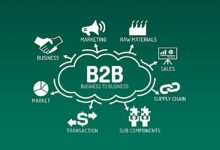
Understanding the Core of B2B

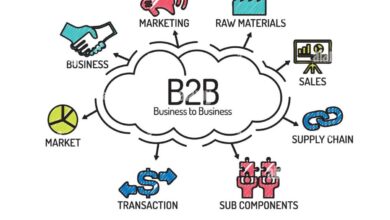
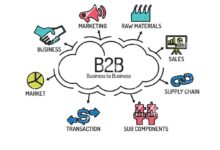
The term B2B, or business-to-business, refers to transactions between companies rather than between a company and individual consumers (B2C). These interactions form the backbone of global commerce, powering supply chains, technology integrations, and enterprise services.
What Exactly Is B2B?
B2B describes any commercial exchange where one business provides products or services to another. This could be a software company selling CRM tools to enterprises, a manufacturer supplying raw materials to a production firm, or a consulting agency offering strategic planning to corporations.
- Transactions are typically larger in scale and volume compared to B2C.
- Decision-making involves multiple stakeholders and longer sales cycles.
- Relationships are often long-term and contract-based.
“B2B is not just about selling; it’s about solving complex business problems with tailored solutions.” — Forbes Insights, 2023
Historical Evolution of B2B Commerce
B2B has existed as long as trade has, but its modern form began evolving in the 20th century with industrialization. The real transformation came with the internet, which digitized procurement, enabled global supply chains, and introduced e-commerce platforms like Alibaba and ThomasNet.
- Pre-internet: Trade shows, phone calls, and paper catalogs dominated.
- 1990s–2000s: Early B2B marketplaces emerged, streamlining supplier discovery.
- 2010s–Present: AI, data analytics, and SaaS platforms revolutionized B2B sales and marketing.
Key Differences Between B2B and B2C
While both models involve selling, the mechanics differ significantly:
- Sales Cycle: B2B cycles are longer, often spanning weeks or months due to approvals, negotiations, and technical evaluations.
- Decision Makers: B2B purchases involve committees—procurement, IT, finance—while B2C decisions are usually individual.
- Pricing Models: B2B often uses tiered, subscription-based, or volume-discount pricing; B2C favors fixed retail prices.
- Marketing Tone: B2B content is informative, data-driven, and ROI-focused; B2C leans emotional and lifestyle-oriented.
B2B Market Dynamics and Global Trends
The B2B landscape is undergoing rapid transformation. Digital acceleration, shifting buyer expectations, and economic volatility are reshaping how companies engage, sell, and deliver value.
Current State of the B2B Market (2024)
According to McKinsey & Company, the global B2B e-commerce market is projected to reach $25.7 trillion by 2028, up from $14.9 trillion in 2022. This growth is fueled by digital adoption, especially among mid-sized and small businesses.
- Over 70% of B2B buyers now prefer digital self-service channels.
- Hybrid buying models—combining online research with offline negotiation—are now standard.
- Supply chain resilience has become a top priority post-pandemic.
Emerging Trends Shaping B2B
Several key trends are redefining B2B strategies:
- AI-Powered Personalization: Platforms like Salesforce Einstein use AI to predict buyer behavior and recommend next steps.
- Subscription-Based B2B Models: From software to industrial equipment, recurring revenue models are gaining traction.
- Sustainability as a Buying Criterion: 65% of B2B buyers consider environmental impact when selecting vendors (Source: Gartner).
- Remote Selling and Virtual Demos: Post-COVID, 80% of B2B sales teams use video conferencing for client engagement.
Regional Variations in B2B Practices
B2B is not a one-size-fits-all model. Regional differences affect negotiation styles, contract lengths, and communication preferences:
- North America: Fast-paced, data-driven, and ROI-focused. Legal contracts are detailed and enforceable.
- Europe: Emphasis on compliance (e.g., GDPR), sustainability, and long-term partnerships.
- Asia-Pacific: Relationship-centric, with a strong preference for face-to-face meetings and trust-building.
- Middle East: Hierarchical decision-making; personal relationships and reputation are critical.
The B2B Buyer’s Journey: Mapping the Decision Path
Understanding how B2B buyers make decisions is crucial for crafting effective marketing and sales strategies. Unlike B2C, the B2B journey is complex, multi-stage, and involves numerous touchpoints.
Awareness Stage: Identifying the Problem
This is where the buyer realizes they have a challenge—such as inefficient workflows, high operational costs, or outdated technology. They begin searching for information using search engines, industry forums, or peer recommendations.
- Content types that work: Blog posts, whitepapers, industry reports.
- SEO focus: Long-tail keywords like “how to reduce SaaS churn” or “best CRM for enterprise teams”.
- Example: A marketing director notices declining lead conversion and starts researching automation tools.
Consideration Stage: Evaluating Solutions
At this point, the buyer has defined their problem and is comparing potential solutions. They evaluate vendors based on features, pricing, integration capabilities, and customer reviews.
- Content types that work: Comparison guides, webinars, case studies, product demos.
- Key differentiators: ROI calculators, free trials, and third-party certifications.
- Example: The same marketing director compares HubSpot, Marketo, and Pardot using G2 reviews and feature matrices.
Decision Stage: Making the Purchase
The final stage involves negotiation, contract signing, and onboarding. Multiple stakeholders—legal, finance, IT—may need to approve the purchase.
- Tools that help: Proposal software (e.g., PandaDoc), contract management systems.
- Common objections: Data security, implementation time, total cost of ownership.
- Sales tactics: Offering pilot programs, SLA guarantees, and dedicated support teams can tip the scale.
B2B Marketing Strategies That Deliver Results
Effective B2B marketing is not about flashy ads—it’s about building trust, demonstrating expertise, and guiding prospects through a logical decision-making process.
Content Marketing for B2B Audiences
High-quality content establishes authority and nurtures leads over time. Unlike B2C, B2B content must be technical, data-backed, and solution-oriented.
- Top-performing formats: Whitepapers, e-books, research reports, and in-depth guides.
- Example: A cybersecurity firm publishes a report on “Top 10 Threats Facing Financial Institutions in 2024,” generating 500+ qualified leads.
- Best practice: Gate premium content behind lead capture forms to build your database.
Account-Based Marketing (ABM)
ABM is a strategic approach where marketing and sales teams collaborate to target high-value accounts with personalized campaigns.
- Steps in ABM: Identify target accounts, research decision-makers, create custom content, engage via multiple channels.
- Tools: Terminus, Demandbase, and LinkedIn Sales Navigator.
- Result: Companies using ABM report 200% higher win rates and 50% faster sales cycles (Source: ABM Institute).
Digital Advertising and Lead Generation
Paid channels like LinkedIn Ads, Google Search, and retargeting campaigns are essential for scaling B2B lead generation.
- LinkedIn Ads: Ideal for targeting by job title, industry, and company size.
- Google Ads: Use intent-based keywords like “best ERP software for manufacturing” to capture high-intent traffic.
- Retargeting: Serve ads to visitors who downloaded a whitepaper but didn’t convert.
B2B Sales: From Prospecting to Closing
Sales in the B2B world is a consultative process. Success depends on understanding the client’s business, identifying pain points, and positioning your solution as a strategic advantage.
Prospecting Techniques That Work
Finding the right prospects is the first step. Cold outreach, referrals, and social selling are common methods.
- Cold Email: Personalized, value-driven emails outperform generic blasts. Example: “Hi [Name], I noticed your team recently expanded into APAC. We helped [Similar Company] reduce onboarding time by 40%—would you be open to a 15-minute chat?”
- Social Selling: Engage prospects on LinkedIn by commenting on their posts, sharing insights, and building rapport before pitching.
- Referral Programs: Incentivize existing clients to introduce your solution to their network.
Consultative Selling Approach
This method focuses on asking questions rather than pitching. The goal is to uncover the buyer’s true needs and co-create a solution.
- Key questions: “What are your top operational challenges this quarter?” “How do you measure success for this project?”
- Tools: Use discovery calls, needs assessments, and ROI frameworks.
- Outcome: Builds trust, reduces resistance, and increases deal size.
Negotiation and Closing Strategies
Closing a B2B deal often requires navigating legal, financial, and technical concerns.
- Common tactics: Offer tiered pricing, extended trials, or performance-based contracts.
- Handling objections: Use the LAER model (Listen, Acknowledge, Explore, Respond) to address concerns empathetically.
- Final steps: Ensure smooth handover to customer success teams to prevent post-sale drop-off.
B2B Technology and Digital Transformation
Technology is the engine of modern B2B operations. From CRM systems to AI-driven analytics, digital tools are redefining how companies sell, serve, and scale.
Essential B2B Software Tools
The right tech stack can streamline workflows, improve visibility, and boost conversion rates.
- CRM Platforms: Salesforce, HubSpot, and Zoho CRM help manage leads, track interactions, and forecast sales.
- Marketing Automation: Tools like Marketo and Pardot enable personalized email campaigns and lead scoring.
- Communication & Collaboration: Slack, Microsoft Teams, and Zoom are critical for remote sales and client meetings.
The Role of AI in B2B
Artificial intelligence is no longer futuristic—it’s a daily reality in B2B operations.
- Lead Scoring: AI analyzes behavior to predict which leads are most likely to convert.
- Chatbots: Handle initial inquiries 24/7, qualifying leads before human intervention.
- Content Generation: Tools like Jasper and Copy.ai help create blog drafts, email templates, and social posts.
- Predictive Analytics: Forecast sales trends, customer churn, and market shifts.
Integrating Systems for Seamless Operations
Disconnected tools create data silos and inefficiencies. Integration ensures smooth data flow across departments.
- Use platforms like Zapier or Workato to connect CRM, email, and billing systems.
- Example: When a lead fills out a form, Zapier automatically adds them to your CRM, tags them, and triggers a welcome email.
- Benefit: Reduces manual work, improves response time, and enhances customer experience.
B2B Customer Success and Retention
In B2B, acquisition is only the beginning. Retention drives long-term profitability, especially in subscription-based models.
Building a Customer Success Team
Customer success ensures clients achieve their desired outcomes, reducing churn and increasing upsell opportunities.
- Roles: Onboarding specialists, success managers, technical support.
- Key activities: Training, health checks, quarterly business reviews (QBRs).
- Metrics: Net Promoter Score (NPS), Customer Health Score, Expansion Revenue.
Onboarding Best Practices
A smooth onboarding experience sets the tone for the entire relationship.
- Steps: Welcome call, setup assistance, training sessions, milestone check-ins.
- Tools: Use LMS platforms or video walkthroughs to guide users.
- Goal: Help customers realize value within the first 30 days.
Reducing Churn and Driving Expansion
Retention is cheaper than acquisition. Focus on proactive engagement to keep clients loyal.
- Identify at-risk accounts using usage data and sentiment analysis.
- Offer upgrades, add-ons, or consulting services to increase lifetime value.
- Example: A SaaS company notices a client isn’t using a key feature—success manager schedules a training session, leading to renewed engagement.
B2B Analytics and Performance Measurement
You can’t improve what you don’t measure. B2B companies must track key metrics to optimize strategy and prove ROI.
Key B2B Metrics to Track
These KPIs provide insight into sales, marketing, and customer health:
- Customer Acquisition Cost (CAC): Total sales and marketing spend divided by new customers acquired.
- Customer Lifetime Value (CLTV): Total revenue expected from a customer over their relationship.
- Conversion Rates: From lead to opportunity, opportunity to customer.
- Monthly Recurring Revenue (MRR): Critical for subscription-based B2B businesses.
- Churn Rate: Percentage of customers who cancel within a given period.
Marketing Attribution Models
Understanding which channels drive conversions helps allocate budget effectively.
- First-Touch: Credits the first interaction (e.g., a Google ad click).
- Last-Touch: Credits the final touchpoint before conversion.
- Multitouch: Distributes credit across all touchpoints (e.g., webinar, email, demo).
- Tool: Google Analytics 4 with enhanced measurement for B2B funnels.
Using Data to Optimize B2B Strategy
Data should inform decisions, not just report them.
- Example: If webinar attendees convert at 25% vs. blog readers at 5%, invest more in webinars.
- Use A/B testing for email subject lines, landing pages, and CTAs.
- Build dashboards in tools like Tableau or Power BI for real-time insights.
What is B2B?
B2B, or business-to-business, refers to transactions where one company sells products or services to another. It’s common in industries like manufacturing, software, and professional services, and typically involves longer sales cycles and multiple decision-makers.
How does B2B differ from B2C?
B2B involves longer sales cycles, rational decision-making, and multiple stakeholders, while B2C is often emotional, individual, and faster. B2B pricing is usually negotiated and volume-based, whereas B2C uses fixed pricing.
What are the best B2B marketing strategies?
Top strategies include content marketing, account-based marketing (ABM), LinkedIn advertising, and email nurturing. Success depends on delivering value, building trust, and guiding prospects through a complex buying journey.
How can B2B companies reduce customer churn?
By investing in customer success teams, providing excellent onboarding, conducting regular check-ins, and proactively addressing issues. Offering value-added services and expansions also increases retention.
What role does AI play in B2B?
AI enhances lead scoring, personalizes marketing, automates customer service via chatbots, and predicts sales trends. It’s becoming essential for scaling B2B operations efficiently.
Mastering B2B requires a blend of strategy, technology, and relationship-building. From understanding the buyer’s journey to leveraging AI and analytics, every element plays a role in driving sustainable growth. The companies that thrive are those that prioritize value, adapt to change, and put the customer at the center of everything they do. Whether you’re refining your approach or building from scratch, the principles outlined here provide a roadmap to B2B success in today’s dynamic market.
Further Reading: