Ever wondered how companies sell to other companies? Let’s dive into real-world B2B examples that shape global industries—with insights you can actually use.

B2B Examples: Understanding the Core Concept

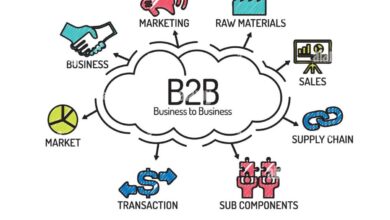
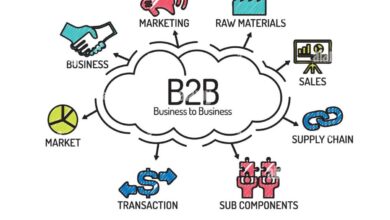
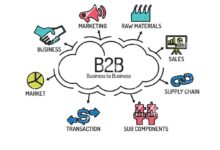
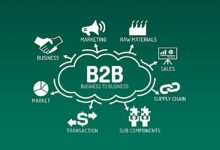
When we talk about B2B, or business-to-business, we’re referring to transactions where one company sells products or services to another. Unlike B2C (business-to-consumer), B2B relationships are often longer, more complex, and driven by logic, ROI, and strategic alignment. These interactions form the backbone of global commerce.
What Exactly Is B2B?
B2B refers to any commercial transaction between businesses, such as a manufacturer selling raw materials to a producer, or a software company licensing tools to an enterprise. These exchanges are fundamental to supply chains, technology integration, and service delivery across sectors.
According to Investopedia, B2B markets account for significantly larger transaction volumes than B2C, primarily because purchases are bulk, recurring, and mission-critical.
- Transactions occur between legal entities, not individuals.
- Decision-making involves multiple stakeholders.
- Sales cycles are typically longer and require relationship-building.
Key Differences Between B2B and B2C
While both models aim to generate revenue, their strategies diverge sharply. B2B buyers prioritize efficiency, integration, and long-term value, whereas B2C focuses on emotion, convenience, and instant gratification.
“In B2B, you’re not just selling a product—you’re selling a solution to a business problem.” — HubSpot Research
- B2B: Rational, data-driven decisions; B2C: Emotion-driven choices.
- B2B: Contracts, negotiations, and SLAs; B2C: One-click purchases and instant delivery.
- B2B: Smaller customer base, higher lifetime value; B2C: Mass market, lower per-customer value.
Top B2B Examples in Manufacturing and Supply Chain
One of the oldest and most robust B2B sectors is manufacturing and supply chain logistics. Here, companies rely on other businesses to provide raw materials, components, machinery, and distribution networks.
Steel Supplier to Automotive Industry
A classic example of B2B is a steel manufacturer like Nucor or ArcelorMittal supplying high-grade steel to automakers such as Ford or Tesla. This relationship isn’t transactional—it’s strategic. The automaker depends on consistent quality, volume, and delivery timelines to maintain production lines.
These partnerships often involve long-term contracts, just-in-time (JIT) delivery models, and collaborative R&D for lighter, stronger materials. For more on supply chain dynamics, see McKinsey’s analysis.
b2b examples – B2b examples menjadi aspek penting yang dibahas di sini.
- Steel suppliers must meet strict industry standards (e.g., ISO certifications).
- Automakers conduct regular audits and performance reviews.
- Price negotiations are based on volume, lead times, and market volatility.
Industrial Equipment Providers
Companies like Siemens, Caterpillar, and Komatsu sell heavy machinery to construction firms, mining operations, and energy producers. These are high-value, long-lifecycle purchases that require financing options, maintenance contracts, and training.
For instance, a mining company purchasing excavators from Caterpillar isn’t just buying machines—it’s investing in productivity, safety, and uptime. The B2B relationship includes after-sales support, predictive maintenance software, and spare parts logistics.
“Over 70% of industrial buyers expect vendors to offer digital service platforms.” — Deloitte Global Manufacturing Outlook
- Solutions are often bundled: hardware + software + service.
- Leasing and financing options are common.
- Digital twins and IoT integration are becoming standard.
B2B Examples in Technology and SaaS
The digital age has supercharged B2B interactions, especially in software and IT services. Today, SaaS (Software as a Service) dominates enterprise tech spending, with companies relying on cloud-based tools for everything from HR to cybersecurity.
Enterprise Cloud Platforms: Microsoft and AWS
Amazon Web Services (AWS) and Microsoft Azure are prime B2B examples in cloud computing. They provide scalable infrastructure, storage, and computing power to businesses ranging from startups to Fortune 500 companies.
AWS, for example, powers Netflix’s streaming infrastructure, while Microsoft 365 is used by millions of employees across corporations for collaboration. These platforms charge based on usage, offering tiered pricing, security compliance, and integration support.
Learn more about AWS’s enterprise offerings at aws.amazon.com/enterprise.
- Enterprises demand SLAs (Service Level Agreements) guaranteeing uptime.
- Data sovereignty and GDPR compliance are critical selling points.
- Custom onboarding and migration support are standard.
CRM and Productivity Tools: Salesforce and Slack
Salesforce revolutionized customer relationship management by offering a cloud-based CRM that integrates sales, marketing, and service data. Companies pay per user per month, scaling as teams grow.
Similarly, Slack (now part of Salesforce) serves as a digital workplace hub, connecting teams across departments and time zones. Both platforms exemplify the subscription-based B2B model that prioritizes user experience and integration.
b2b examples – B2b examples menjadi aspek penting yang dibahas di sini.
- APIs allow integration with ERP, email, and project management tools.
- Enterprise plans include admin controls, audit logs, and SSO.
- Customer success managers help onboard and retain clients.
B2B Examples in Professional Services
Not all B2B transactions involve physical goods. Many are service-based, where firms hire external experts to handle legal, financial, consulting, or marketing functions.
Management Consulting Firms
Firms like McKinsey & Company, Boston Consulting Group (BCG), and Bain & Company work with corporations to improve strategy, operations, and digital transformation. Their clients include CEOs, government agencies, and nonprofit leaders.
These engagements are high-stakes and project-based, often lasting months. Consultants conduct deep data analysis, run workshops, and deliver actionable roadmaps. The value isn’t in a product—it’s in insight and execution support.
Explore BCG’s case studies at bcg.com/case-studies.
- Projects are scoped with clear KPIs and deliverables.
- Billing is typically hourly or fixed-fee.
- Confidentiality and NDAs are standard practice.
Legal and Accounting Services
Law firms like Baker McKenzie or Deloitte Legal provide corporate counsel on mergers, compliance, and intellectual property. Similarly, accounting firms such as PwC and EY offer audit, tax, and advisory services to businesses.
These relationships are built on trust, expertise, and regulatory knowledge. A company going public, for example, will engage multiple B2B service providers: lawyers for SEC filings, accountants for financial statements, and PR firms for investor relations.
“Over 90% of Fortune 500 companies use external legal counsel for major transactions.” — American Bar Association
- Hourly billing remains common, though value-based pricing is rising.
- Long-term retainers ensure ongoing compliance support.
- Digital portals streamline document sharing and communication.
B2B Examples in E-Commerce and Marketplaces
The rise of digital platforms has transformed B2B commerce. Online marketplaces now connect suppliers and buyers globally, reducing friction and increasing transparency.
Alibaba: The Global B2B Marketplace Giant
Alibaba.com is one of the most prominent B2B examples in e-commerce. It connects manufacturers in China with wholesalers, retailers, and distributors worldwide. Businesses can source electronics, textiles, machinery, and more directly from factories.
b2b examples – B2b examples menjadi aspek penting yang dibahas di sini.
Unlike B2C platforms like Amazon, Alibaba focuses on bulk orders, custom manufacturing, and business verification. Suppliers undergo audits, and buyers can request samples before placing large orders.
Visit Alibaba’s platform to explore its vast B2B network.
- MOQs (Minimum Order Quantities) are standard.
- Trade Assurance protects buyers against non-delivery.
- RFQ (Request for Quotation) tools let buyers compare suppliers.
ThomasNet: Connecting Industrial Buyers and Suppliers
In North America, ThomasNet serves as a specialized B2B marketplace for industrial products and services. Engineers and procurement managers use it to find CNC machining shops, raw materials, or custom fabrication services.
The platform offers detailed supplier profiles, CAD downloads, and instant quoting tools. It’s a go-to resource for MRO (Maintenance, Repair, and Operations) sourcing.
- Search filters include certifications, materials, and production capabilities.
- Suppliers pay for premium listings and lead generation.
- Integration with ERP systems streamlines procurement.
B2B Examples in Logistics and Distribution
Efficient logistics are critical in B2B operations. Companies depend on third-party logistics (3PL) providers to manage warehousing, transportation, and fulfillment.
FedEx and DHL: B2B Shipping Powerhouses
FedEx and DHL are not just for individual packages—they offer comprehensive B2B logistics solutions. From same-day delivery for medical supplies to global freight forwarding for automotive parts, these companies enable cross-border trade.
Enterprise clients get dedicated account managers, real-time tracking dashboards, and customs brokerage services. For example, DHL’s Global Forwarding division handles air, sea, and road freight for multinational corporations.
- Volume discounts and contract rates are negotiated annually.
- Temperature-controlled and hazardous material shipping are specialized services.
- APIs allow integration with inventory and order management systems.
Warehousing and Fulfillment Networks
Companies like Amazon Logistics, XPO Logistics, and Ryder offer warehousing and fulfillment services to other businesses. A brand selling on multiple e-commerce platforms might outsource storage and shipping to a 3PL to reduce costs and improve delivery speed.
b2b examples – B2b examples menjadi aspek penting yang dibahas di sini.
These B2B partnerships include inventory management, pick-and-pack operations, and returns processing. Automation and robotics are increasingly used to boost efficiency.
“Over 75% of mid-sized companies plan to outsource logistics by 2025.” — Gartner Supply Chain Report
- Pay-per-use models make scaling easy.
- Geographic distribution of warehouses reduces delivery times.
- Real-time inventory sync prevents overselling.
Emerging B2B Examples in Fintech and AI
The future of B2B lies in digital transformation. Fintech and artificial intelligence are reshaping how businesses interact, pay, and make decisions.
B2B Payment Platforms: Stripe and PayPal for Business
Stripe and PayPal offer B2B payment solutions that enable seamless invoicing, recurring billing, and cross-border transactions. SaaS companies, for example, use Stripe to automate subscription renewals and handle currency conversion.
These platforms reduce payment friction, offer fraud detection, and integrate with accounting software like QuickBooks. For enterprise features, visit Stripe’s B2B payments page.
- ACH, wire transfers, and virtual cards are supported.
- Custom invoicing with branding and payment terms.
- Real-time reconciliation and reporting.
AI-Powered B2B Solutions
AI is no longer sci-fi—it’s a B2B reality. Companies like IBM Watson, Salesforce Einstein, and Google Cloud AI offer tools that analyze customer behavior, optimize supply chains, and automate customer service.
For example, a telecom company might use AI to predict customer churn and trigger retention offers. A manufacturer could use machine learning to forecast equipment failure and schedule maintenance.
- AI models are trained on enterprise data for accuracy.
- Explainability and bias mitigation are key concerns.
- Hybrid models (cloud + on-premise) ensure data security.
What are some common B2B examples?
Common B2B examples include a software company selling CRM tools to enterprises, a steel mill supplying materials to car manufacturers, a logistics firm providing warehousing for e-commerce brands, and a consulting agency advising corporations on digital transformation.
b2b examples – B2b examples menjadi aspek penting yang dibahas di sini.
How does B2B differ from B2C?
B2B involves longer sales cycles, multiple decision-makers, and a focus on ROI and efficiency. B2C is faster, emotion-driven, and targets individual consumers. B2B relationships are typically more contractual and long-term.
What industries rely heavily on B2B models?
Manufacturing, technology, healthcare, logistics, professional services, and industrial supply chains are heavily dependent on B2B transactions. These sectors rely on inter-company collaboration to function.
Why is B2B e-commerce growing so fast?
B2B e-commerce is growing due to digital transformation, demand for self-service platforms, and the need for supply chain resilience. Platforms like Alibaba and ThomasNet make sourcing easier, faster, and more transparent.
What role does AI play in modern B2B?
AI enhances B2B operations through predictive analytics, automated customer support, personalized marketing, and supply chain optimization. It enables data-driven decisions and improves efficiency across departments.
b2b examples – B2b examples menjadi aspek penting yang dibahas di sini.
From manufacturing giants to digital disruptors, B2B examples are everywhere—driving innovation, efficiency, and global trade. Understanding these models helps businesses choose the right partners, optimize operations, and stay competitive. Whether it’s a cloud platform, a logistics network, or a consulting firm, B2B relationships are the invisible engines of the economy. As technology evolves, so too will the ways companies collaborate, sell, and grow together.
Further Reading: