Ever wondered why some B2B businesses scale like rockets while others stall? It’s not luck—it’s strategy. In this deep dive, we unpack the real mechanics behind high-performing B2B business models, from sales funnels to digital transformation.

What Exactly Is a B2B Business?

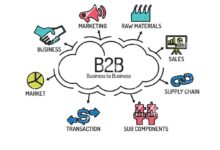
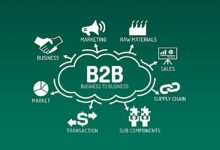
The term B2B business—short for business-to-business—refers to companies that sell products or services to other businesses, rather than to individual consumers (B2C). This model dominates industries like manufacturing, software, logistics, and wholesale distribution.
Core Definition and Scope
A B2B business operates on the principle of enabling other organizations to function more efficiently or profitably. For example, a company that supplies cloud-based CRM software to sales teams is running a B2B model. Unlike B2C, where emotional appeal drives purchases, B2B decisions are typically rational, data-driven, and involve multiple stakeholders.
- Sales cycles are longer and more complex.
- Customer relationships are built on trust and long-term value.
- Pricing is often customized based on volume or service tiers.
Key Differences Between B2B and B2C
Understanding the contrast between B2B and B2C is crucial for crafting effective strategies. While B2C focuses on individual desires and quick conversions, B2B emphasizes ROI, operational efficiency, and integration capabilities.
- Decision-making: B2B involves committees; B2C is often individual.
- Marketing tone: B2B uses technical, benefit-driven language; B2C leans on emotion and lifestyle.
- Volume and value: B2B transactions are fewer but higher in value.
“In B2B, you’re not just selling a product—you’re selling a solution to a business problem.” — HubSpot, B2B vs B2C Sales
Why B2B Business Models Dominate Global Trade
B2B commerce accounts for over 80% of all global trade, according to McKinsey. The scale and complexity of supply chains, technology integration, and enterprise services make B2B the backbone of modern economies.
Scale and Economic Impact
The sheer volume of transactions in the B2B space dwarfs B2C. From raw material suppliers to SaaS platforms, B2B companies enable entire industries to operate. For instance, a single semiconductor manufacturer might supply chips to hundreds of tech firms worldwide.
- B2B e-commerce is projected to reach $20.9 trillion by 2027 (Statista).
- Manufacturing, IT services, and healthcare are top B2B sectors.
- Global supply chains rely on B2B partnerships for logistics and procurement.
Long-Term Contracts and Recurring Revenue
One of the most attractive aspects of a b2b business is the potential for recurring revenue through contracts. Unlike one-off B2C sales, B2B clients often sign annual or multi-year agreements, providing predictable cash flow.
- Subscription-based models (e.g., Salesforce, Zoom) thrive in B2B.
- Service-level agreements (SLAs) ensure ongoing engagement.
- Customer lifetime value (CLTV) is significantly higher in B2B.
Core Components of a Successful B2B Business
Building a thriving B2B business isn’t just about having a good product. It requires a well-structured ecosystem of strategy, operations, and customer engagement.
Target Market Identification
Unlike B2C, where broad demographics might suffice, B2B success hinges on precise market segmentation. You need to identify not just industries, but company size, pain points, decision-makers, and buying behavior.
- Use firmographic data (industry, revenue, location) to refine targeting.
- Leverage tools like LinkedIn Sales Navigator or ZoomInfo for lead intelligence.
- Create detailed buyer personas for each stakeholder (e.g., CFO, CTO, procurement manager).
Sales Funnel Optimization
The B2B sales funnel is longer and more complex than its B2C counterpart. It typically includes awareness, consideration, decision, and retention stages. Each phase requires tailored content and engagement strategies.
- Top of funnel: Whitepapers, webinars, and SEO-driven blog content.
- Middle of funnel: Case studies, product demos, and comparison guides.
- Bottom of funnel: Free trials, consultations, and contract negotiations.
“The modern B2B buyer is 57% through the decision-making process before even engaging a sales rep.” — SiriusDecisions
Digital Transformation in B2B Business
The digital revolution has reshaped how B2B companies operate, sell, and engage with clients. From AI-powered analytics to e-commerce platforms, technology is no longer optional—it’s essential.
Adoption of E-Commerce Platforms
Gone are the days when B2B sales relied solely on phone calls and in-person meetings. Today, companies like Grainger and Fastenal have robust online marketplaces that handle everything from product discovery to checkout.
- Self-service portals improve customer experience and reduce support costs.
- Integration with ERP and CRM systems ensures seamless order processing.
- Personalized dashboards enhance user engagement and retention.
AI and Automation in B2B Operations
Artificial intelligence is transforming lead scoring, customer service, and predictive analytics in the b2b business world. Chatbots handle initial inquiries, while machine learning models forecast demand and optimize pricing.
- AI-driven sales assistants (e.g., Gong, Chorus) analyze calls for insights.
- Marketing automation tools (e.g., Marketo, HubSpot) nurture leads at scale.
- Predictive analytics help anticipate customer churn and upsell opportunities.
Marketing Strategies That Work for B2B Business
Effective B2B marketing isn’t about flashy ads—it’s about building authority, trust, and visibility in a niche market. The best strategies combine content, SEO, and relationship-building.
Content Marketing and Thought Leadership
High-quality content positions your brand as an industry leader. Whitepapers, research reports, and expert blogs not only attract leads but also establish credibility.
- Publish in-depth guides that solve specific business problems.
- Host webinars featuring industry experts.
- Repurpose content into videos, infographics, and LinkedIn posts.
Account-Based Marketing (ABM)
ABM is a strategic approach where marketing and sales teams collaborate to target high-value accounts with personalized campaigns. Instead of casting a wide net, ABM focuses on a few key prospects.
- Identify target accounts based on strategic fit and revenue potential.
- Create custom content and outreach for each account.
- Measure success by engagement and conversion rates, not just leads.
“ABM delivers 208% higher ROI than other marketing strategies.” — ITSMA
Challenges Facing Modern B2B Business
Despite its advantages, the b2b business landscape is fraught with challenges—from long sales cycles to intense competition and evolving customer expectations.
Lengthy Sales Cycles and Decision Fatigue
B2B purchases often require approval from multiple departments, leading to extended decision-making periods. This can stretch sales cycles from weeks to months or even years.
- Combat this with consistent follow-up and value reinforcement.
- Provide clear ROI calculators and case studies to justify investment.
- Engage all stakeholders early to avoid last-minute objections.
Customer Retention and Churn
Acquiring a new B2B customer can cost five to seven times more than retaining an existing one (Harvard Business Review). Yet, many companies focus too much on acquisition and neglect retention.
- Implement customer success programs to ensure onboarding and ongoing support.
- Use Net Promoter Score (NPS) surveys to gauge satisfaction.
- Offer tiered pricing and loyalty incentives to reduce churn.
Future Trends Shaping the B2B Business Landscape
The future of B2B is digital, data-driven, and customer-centric. Companies that adapt to emerging trends will gain a competitive edge in the next decade.
Rise of AI-Powered Personalization
Customers expect personalized experiences, even in B2B. AI enables hyper-personalization by analyzing user behavior, past purchases, and engagement patterns to deliver relevant content and offers.
- Dynamic pricing models based on usage and demand.
- Personalized product recommendations in B2B marketplaces.
- AI-curated content feeds for enterprise clients.
Sustainability and Ethical Sourcing
More B2B buyers are prioritizing sustainability. Companies that demonstrate ethical sourcing, carbon neutrality, and social responsibility are gaining favor in procurement decisions.
- Highlight ESG (Environmental, Social, Governance) initiatives in marketing.
- Partner with eco-friendly suppliers and logistics providers.
- Obtain certifications like ISO 14001 or B Corp to build trust.
“73% of B2B buyers say a company’s sustainability practices influence their purchasing decisions.” — NielsenIQ
How to Start a B2B Business: A Step-by-Step Guide
Launching a successful b2b business requires careful planning, market research, and execution. Here’s a proven roadmap to get you started.
Step 1: Validate Your Business Idea
Before investing time and money, ensure there’s real demand for your product or service. Conduct interviews with potential clients, analyze competitors, and test assumptions.
- Use surveys and focus groups to gather feedback.
- Analyze market gaps using tools like SEMrush or Ahrefs.
- Build a minimum viable product (MVP) to test the concept.
Step 2: Build a Scalable Business Model
Choose a revenue model that aligns with your offering—subscription, licensing, usage-based, or project-based. Ensure your infrastructure can scale as demand grows.
- Adopt cloud-based platforms for flexibility.
- Design modular services that can be customized.
- Integrate APIs for seamless third-party connectivity.
Step 3: Develop a Go-to-Market Strategy
Your go-to-market (GTM) strategy defines how you’ll reach and convert customers. It includes pricing, distribution, messaging, and sales channels.
- Define your unique value proposition (UVP) clearly.
- Choose between direct sales, channel partners, or online platforms.
- Launch with a pilot program to refine your approach.
What is the difference between B2B and B2C business?
B2B (business-to-business) involves companies selling to other businesses, often with longer sales cycles, higher transaction values, and rational decision-making. B2C (business-to-consumer) targets individual customers with emotional appeals, shorter sales cycles, and mass marketing.
How long is the average B2B sales cycle?
The average B2B sales cycle ranges from 1 to 6 months, but can extend to over a year for complex enterprise deals. Factors like product complexity, stakeholder involvement, and budget cycles influence duration.
What are the most effective marketing channels for B2B?
Top B2B marketing channels include content marketing (blogs, whitepapers), SEO, LinkedIn advertising, email nurturing, webinars, and account-based marketing (ABM). Trade shows and industry events also remain valuable.
Why is customer retention important in B2B business?
Customer retention is critical because acquiring new B2B clients is significantly more expensive than retaining existing ones. Long-term contracts and upselling opportunities make loyal customers a key driver of profitability.
What role does technology play in modern B2B business?
Technology enables automation, data analytics, e-commerce, and AI-driven personalization in B2B. Platforms like CRM, ERP, and marketing automation systems streamline operations and enhance customer experience.
Mastering the b2b business landscape requires more than just a great product—it demands strategic thinking, deep customer understanding, and relentless execution. From identifying your ideal market to leveraging digital tools and building lasting relationships, every element plays a role in sustainable growth. The future belongs to those who embrace innovation, prioritize value, and stay agile in an ever-evolving marketplace. Whether you’re launching a startup or scaling an enterprise, the principles outlined here provide a roadmap to success in the dynamic world of B2B.
Further Reading: