When it comes to dominating the global sportswear market, B2B Adidas isn’t just a player—it’s a powerhouse. From supplying elite athletic gear to forging long-term partnerships with retailers and institutions, Adidas leverages its brand strength to scale business-to-business operations like few others can. This deep dive explores how B2B Adidas drives value, innovation, and sustainability across industries.

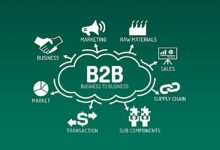
Understanding B2B Adidas: The Foundation of Global Partnerships

At its core, B2B Adidas refers to the company’s strategic business-to-business operations that go far beyond selling shoes and apparel directly to consumers. Instead, it focuses on supplying products, licensing brands, and co-developing solutions for other businesses, including sports teams, educational institutions, retail chains, and corporate wellness programs. This model allows Adidas to scale efficiently while maintaining brand integrity and market leadership.
What Sets B2B Adidas Apart from B2C?
While B2C (business-to-consumer) involves direct sales to individual customers through stores or e-commerce, B2B Adidas operates on a different scale and timeline. Orders are larger, contracts are longer-term, and relationships are built on trust, customization, and performance metrics. For example, supplying uniforms for a national football team requires not just product delivery but also compliance with technical standards, branding guidelines, and logistical coordination.
B2B deals often involve bulk orders and customized product lines.Relationships are long-term and contract-based, unlike one-off consumer purchases.Decision-making involves multiple stakeholders, including procurement, marketing, and operations teams.”B2B is not just about selling more units—it’s about building ecosystems where Adidas becomes an embedded partner in a client’s success.” — Industry Analyst, Sportswear Intelligence Report 2023Key Sectors Served by B2B AdidasB2B Adidas targets several high-impact sectors where performance, branding, and durability matter.These include professional and amateur sports leagues, school athletic programs, fitness franchises, corporate apparel providers, and government agencies..
Each sector has unique needs, and Adidas tailors its offerings accordingly.For instance, school districts may require cost-effective, durable uniforms, while elite sports teams demand cutting-edge performance fabrics..
- Sports Teams & Leagues: Official supplier agreements with clubs and federations.
- Educational Institutions: Custom athletic wear for schools and universities.
- Fitness & Wellness Chains: Branded apparel for gyms and training centers.
- Corporate Clients: Employee wellness kits and branded merchandise.
By focusing on these verticals, B2B Adidas ensures consistent revenue streams and deep market penetration. According to Adidas Group’s 2023 Annual Report, nearly 30% of total apparel shipments were part of institutional or wholesale B2B contracts.
How B2B Adidas Builds Strategic Partnerships
Partnership development is at the heart of B2B Adidas’ growth strategy. Unlike transactional sales models, Adidas prioritizes collaborative relationships that align brand values, innovation goals, and sustainability commitments. These partnerships are not just about supply—they’re about co-creation, shared marketing, and long-term value generation.
The Role of Co-Branding and Licensing
One of the most powerful tools in B2B Adidas’ arsenal is co-branding. By partnering with other established brands or organizations, Adidas enhances visibility and credibility. For example, the collaboration with Parley for the Oceans resulted in a line of sustainable sportswear made from recycled ocean plastic. This initiative wasn’t just a product launch—it became a B2B offering for eco-conscious institutions looking to align with green values.
Co-branded products increase perceived value and market differentiation.Licensing agreements allow third parties to use Adidas branding under strict quality controls.These partnerships often include joint marketing campaigns and shared KPIs.”When Adidas partners with us, it’s not just a supplier relationship—it’s a brand alliance that elevates our entire organization.” — Director of Procurement, European Fitness FederationLong-Term Contracts and Performance-Based AgreementsB2B Adidas often enters into multi-year contracts with performance clauses.For instance, a national basketball federation might sign a five-year deal where Adidas provides uniforms, training gear, and technical support..
In return, Adidas gains exclusive branding rights during tournaments and media coverage.These agreements are structured to incentivize both parties: better team performance can lead to extended contracts or expanded product lines..
- Contracts include minimum order quantities (MOQs) and delivery timelines.
- Performance incentives may include bonus shipments or marketing support.
- Renewal terms are often tied to satisfaction surveys and product feedback.
This model fosters accountability and continuous improvement. It also reduces customer acquisition costs over time, as retaining a B2B client is significantly more cost-effective than acquiring a new one.
Innovation and Product Development in B2B Adidas
Innovation isn’t just a buzzword for B2B Adidas—it’s a core operational principle. The company invests heavily in R&D to create products that meet the specific demands of institutional clients. Whether it’s moisture-wicking fabric for marathon runners or impact-resistant footwear for industrial workers, Adidas tailors its innovations to real-world use cases.
Customization and Private Label Solutions
One of the key advantages of working with B2B Adidas is the ability to offer customized products. Schools, sports teams, and corporations can request private label designs that feature their logos, colors, and sizing specifications. This level of personalization strengthens brand loyalty and makes Adidas a preferred vendor.
- Custom embroidery, sublimation printing, and color-matching services are standard.
- Digital design portals allow clients to preview products before production.
- Small batch prototyping ensures quality control before mass production.
For example, the University of Michigan partnered with B2B Adidas to launch a limited-edition alumni running kit, featuring heritage colors and a vintage logo. The product was sold exclusively through the university’s alumni association, creating a sense of exclusivity and pride.
Technology Integration in B2B Offerings
B2B Adidas leverages technology to streamline ordering, tracking, and communication. The company has developed a dedicated B2B portal where clients can place orders, track shipments, access marketing assets, and request customer support. This digital ecosystem enhances efficiency and transparency.
- The B2B portal integrates with clients’ ERP systems for seamless inventory management.
- AI-driven analytics help predict demand and optimize stock levels.
- Augmented reality (AR) tools allow clients to visualize products in 3D before ordering.
Additionally, Adidas uses IoT-enabled apparel in some elite sports partnerships. Smart jerseys embedded with sensors provide real-time biometric data, helping coaches monitor athlete performance. While currently limited to high-end clients, this technology could become a standard B2B offering in the future.
Sustainability and Ethical Practices in B2B Adidas
Sustainability is no longer optional—it’s a business imperative. B2B Adidas has made significant strides in reducing its environmental footprint while promoting ethical labor practices. These efforts are especially important for institutional clients who are under public scrutiny to operate responsibly.
Eco-Friendly Materials and Circular Design
Adidas has committed to using only recycled polyester in all products by 2024. In its B2B division, this means sourcing materials like Primeblue (recycled ocean plastic) and Primegreen (high-performance recycled fibers). These materials are used across uniforms, training gear, and casual wear for institutional clients.
- Over 70% of B2B Adidas products now contain at least one sustainable material.
- Circular design principles ensure products are recyclable at end-of-life.
- Take-back programs allow institutions to return worn gear for recycling.
The impact is measurable: according to Adidas’ Sustainability Report 2023, the company diverted over 40,000 tons of plastic waste from landfills through its B2B and B2C initiatives combined.
Transparency and Supply Chain Accountability
B2B clients increasingly demand transparency about where and how products are made. B2B Adidas responds with detailed supply chain mapping, third-party audits, and public reporting. Factories are required to meet strict labor standards, and Adidas conducts regular inspections to ensure compliance.
- Each B2B order includes a sustainability certificate detailing material origins.
- Blockchain technology is being piloted to track product journeys from factory to client.
- Adidas is a member of the Fair Labor Association and adheres to its code of conduct.
“We chose B2B Adidas because they can prove their ethical claims—not just market them.” — Procurement Officer, Scandinavian School District
Logistics and Distribution Excellence in B2B Adidas
Delivering high-quality products on time is critical in B2B relationships. B2B Adidas operates a global logistics network designed for reliability, speed, and scalability. Whether shipping 500 jerseys to a local school or 50,000 kits to a national sports event, the system is built to handle volume without compromising quality.
Global Fulfillment Network
Adidas maintains regional distribution centers in Europe, North America, Asia, and South America. These hubs allow for faster delivery times and reduced shipping costs. For large B2B clients, Adidas offers dedicated warehousing and just-in-time inventory solutions.
- Real-time tracking systems provide clients with shipment updates.
- Automated sorting and packaging reduce human error.
- Strategic partnerships with logistics providers like DHL ensure last-mile efficiency.
In 2022, during the UEFA Women’s Euro tournament, B2B Adidas successfully delivered over 10,000 custom kits to 16 national teams within a 72-hour window—demonstrating its operational precision.
Inventory Management and Demand Forecasting
One of the biggest challenges in B2B is predicting demand accurately. B2B Adidas uses advanced analytics and machine learning to forecast orders based on historical data, seasonal trends, and market signals. This helps prevent overstocking or stockouts, which can damage client relationships.
- AI models analyze past order patterns and external factors (e.g., weather, events).
- Dynamic pricing tools adjust costs based on volume and timing.
- Client dashboards show inventory levels and reorder recommendations.
For example, a U.S. high school athletic association uses Adidas’ forecasting tool to plan its annual uniform refresh, reducing waste by 25% and saving over $200,000 annually.
Marketing and Branding Support for B2B Clients
B2B Adidas doesn’t just deliver products—it amplifies its clients’ brands. Through co-marketing initiatives, digital assets, and event sponsorships, Adidas helps its B2B partners maximize visibility and engagement.
Co-Marketing Campaigns and Sponsorships
When Adidas partners with a sports league or institution, it often includes marketing support as part of the deal. This can range from social media shoutouts to full-scale advertising campaigns. For instance, when Adidas became the official kit supplier for Major League Soccer (MLS), it launched a joint campaign featuring star players and behind-the-scenes content.
- Co-branded content is shared across Adidas’ global social media channels.
- Client events may receive financial or promotional support from Adidas.
- Media kits and press releases are provided to help clients announce partnerships.
These efforts create a win-win: the client gains exposure, and Adidas reinforces its position as a leader in performance sportswear.
Digital Asset Libraries and Brand Guidelines
To ensure consistent branding, B2B Adidas provides clients with access to a digital asset management (DAM) system. This library includes high-resolution product images, logo files, brand guidelines, and marketing templates.
- Clients can download assets for use in newsletters, websites, and social media.
- Brand compliance tools help prevent misuse of logos and trademarks.
- Regular updates ensure clients have the latest product visuals and messaging.
This level of support reduces the marketing burden on clients and ensures Adidas’ brand is represented professionally across all touchpoints.
Challenges and Future Trends in B2B Adidas
Despite its success, B2B Adidas faces several challenges, including supply chain volatility, rising raw material costs, and increasing competition from Nike, Puma, and emerging direct-to-institution brands. However, the company is well-positioned to adapt through innovation, digital transformation, and sustainability leadership.
Adapting to Market Volatility
Global disruptions—such as pandemics, geopolitical tensions, and climate events—can impact production and delivery. B2B Adidas mitigates these risks through diversified sourcing, buffer inventory, and agile manufacturing. The company has also invested in nearshoring, producing some B2B lines in Europe and North America to reduce dependency on Asian factories.
- Multi-source supplier strategy reduces single-point failure risks.
- Flexible manufacturing lines allow quick shifts in product mix.
- Scenario planning helps prepare for potential disruptions.
According to a McKinsey & Company report on fashion supply chains, companies with resilient logistics networks like Adidas are 30% more likely to maintain B2B client satisfaction during crises.
The Rise of Digital-First B2B Models
The future of B2B Adidas lies in digital transformation. The company is exploring AI-driven personalization, virtual showrooms, and blockchain-based authentication. These innovations will make it easier for clients to discover, order, and verify products—reducing friction and increasing trust.
- Virtual reality (VR) showrooms allow clients to explore collections remotely.
- Smart contracts could automate order fulfillment and payments.
- Predictive analytics will enable proactive client engagement.
As digital adoption grows, B2B Adidas is poised to become not just a supplier, but a strategic technology partner for institutions worldwide.
What is B2B Adidas?
B2B Adidas refers to the business-to-business operations of Adidas, where the company supplies products and services to other organizations—such as sports teams, schools, fitness centers, and corporations—rather than individual consumers. This includes customized apparel, licensing agreements, and long-term supply contracts.
How does B2B Adidas support sustainability?
B2B Adidas supports sustainability by using recycled materials like Primeblue and Primegreen, implementing circular design principles, offering take-back programs, and ensuring ethical labor practices across its supply chain. Over 70% of its B2B products now include sustainable materials.
Can small institutions work with B2B Adidas?
Yes, while B2B Adidas primarily serves large organizations, it also works with smaller institutions through regional distributors or collaborative buying groups. Some customization options are available even for mid-sized orders.
Does B2B Adidas offer marketing support to clients?
Yes, B2B Adidas provides co-marketing campaigns, digital asset libraries, brand guidelines, and promotional support to help clients maximize the visibility and impact of their partnership.
How can a business become a B2B partner with Adidas?
Businesses can apply to become B2B partners through Adidas’ official wholesale portal or by contacting their regional sales team. Requirements include business registration, minimum order commitments, and alignment with Adidas’ brand and sustainability standards.
B2B Adidas stands as a benchmark in the sportswear industry for how a global brand can successfully scale its operations through strategic business partnerships. By combining innovation, sustainability, and digital excellence, Adidas not only delivers high-performance products but also builds lasting value for its institutional clients. As market demands evolve, B2B Adidas continues to lead with agility, responsibility, and vision—proving that true success lies not just in selling products, but in empowering entire ecosystems.
Further Reading: