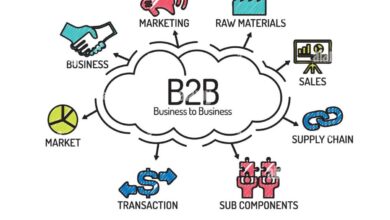
Ever wondered how the backbone of global commerce operates? B2b companies quietly power industries, fuel innovation, and drive economies—all behind the scenes. Let’s uncover what makes them tick and how they stay ahead.

What Are B2B Companies and Why They Matter

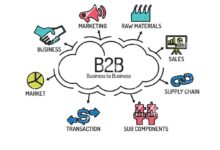
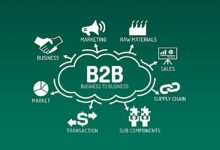
B2B companies—short for business-to-business—are organizations that sell products or services to other businesses rather than individual consumers. Unlike B2C (business-to-consumer) models, B2B transactions often involve longer sales cycles, higher order values, and complex decision-making units. These companies form the foundation of supply chains, technology infrastructure, and industrial operations worldwide.
Defining the B2B Business Model
The core of the B2B model lies in value exchange between organizations. For example, a software firm selling CRM tools to enterprises, or a manufacturer supplying raw materials to another factory. The focus is on solving business problems, improving efficiency, or enabling growth for other companies.
- Transactions are typically contract-based and recurring.
- Buyers are often procurement teams or department heads, not individual users.
- Relationships are long-term and relationship-driven.
According to Investopedia, B2B markets account for significantly larger transaction volumes than B2C, due to bulk purchasing and enterprise-level agreements.
Key Differences Between B2B and B2C
While both models aim to generate revenue, their strategies diverge sharply. B2B companies prioritize logic, ROI, and integration capabilities, whereas B2C focuses on emotion, branding, and instant gratification.
- Decision-making: B2B involves multiple stakeholders; B2C is often individual.
- Marketing tone: B2B uses data-driven messaging; B2C leans on storytelling.
- Sales cycle: B2B can take months; B2C is usually immediate.
“In B2B, you’re not just selling a product—you’re selling a solution to a business problem.” — HubSpot
Top Industries Dominated by B2B Companies
B2B companies span nearly every sector, but certain industries are especially reliant on business-to-business interactions. These sectors thrive on partnerships, scalability, and specialized expertise.
Technology and SaaS Providers
Software-as-a-Service (SaaS) has revolutionized how b2b companies deliver value. From cloud storage to enterprise resource planning (ERP), tech firms like Salesforce, Microsoft, and Adobe serve other businesses with scalable digital tools.
- Subscription-based revenue models ensure predictable income.
- Integration with existing systems is a key selling point.
- Customer success teams play a vital role in retention.
As reported by Gartner, global public cloud spending is projected to hit $678.8 billion in 2024, driven largely by B2B SaaS adoption.
Manufacturing and Industrial Supply
This segment includes companies producing machinery, components, chemicals, and raw materials. They supply everything from automotive parts to construction steel, forming the physical backbone of global production.
- Just-in-time (JIT) delivery systems are critical for efficiency.
- Quality certifications (e.g., ISO) are often mandatory.
- Global logistics networks enable cross-border trade.
For instance, Siemens and General Electric operate as major b2b companies in industrial automation and energy solutions, serving thousands of enterprises worldwide.
Professional Services and Consulting Firms
These b2b companies offer expertise in areas like legal, financial, marketing, and IT consulting. Firms like McKinsey, Deloitte, and PwC help organizations optimize performance and navigate complex regulatory environments.
- Value is measured in outcomes, not hours worked.
- Trust and reputation are primary differentiators.
- Customized solutions are the norm, not the exception.
According to the IBISWorld report, the global management consulting market was valued at over $300 billion in 2023, reflecting strong demand for strategic advisory services.
How B2B Companies Generate Revenue
Understanding revenue models is crucial for any b2b company aiming for sustainability and growth. Unlike B2C, where impulse buys can drive sales, B2B revenue relies on structured, value-based approaches.
Subscription and Licensing Models
One of the most popular revenue streams among modern b2b companies is the subscription model. This is especially common in software, data services, and cloud platforms.
- Recurring revenue ensures financial stability.
- Customers pay monthly or annually for access.
- Upselling and cross-selling increase lifetime value.
For example, ZoomInfo and HubSpot use tiered pricing to cater to small businesses and large enterprises alike, maximizing reach and profitability.
Project-Based and Contractual Agreements
Many b2b companies, especially in construction, engineering, and consulting, operate on fixed-price or time-and-materials contracts.
- Projects are scoped with clear deliverables and timelines.
- Contracts often include performance clauses and penalties.
- Revenue recognition follows project milestones.
This model requires strong project management and client communication to avoid scope creep and ensure profitability.
Wholesale and Distribution Channels
B2B manufacturers often sell in bulk to distributors or resellers who then supply retailers or end-users. This indirect model expands market reach without requiring direct customer engagement.
- Economies of scale reduce per-unit costs.
- Distributors handle logistics and local marketing.
- Pricing is negotiated based on volume and exclusivity.
Companies like Grainger and Sysco dominate their respective niches by leveraging vast distribution networks to serve thousands of business clients daily.
The Role of Digital Marketing in B2B Companies
Gone are the days when b2b companies relied solely on trade shows and cold calls. Today, digital marketing is the engine driving lead generation, brand authority, and customer engagement.
Content Marketing and Thought Leadership
B2B buyers are highly informed and research extensively before making decisions. Content marketing helps b2b companies position themselves as industry leaders.
- Blogs, whitepapers, and case studies build credibility.
- Webinars and e-books nurture leads through the funnel.
- SEO-optimized content improves visibility on search engines.
A study by Content Marketing Institute found that 91% of B2B marketers use content marketing to reach customers, with 70% saying it’s more effective than traditional advertising.
Account-Based Marketing (ABM)
ABM is a strategic approach where marketing and sales teams collaborate to target high-value accounts with personalized campaigns.
- Instead of broad outreach, ABM focuses on specific companies.
- Customized messaging increases conversion rates.
- Success is measured by engagement and deal size, not just leads.
For example, a cybersecurity firm might create a tailored campaign for a Fortune 500 bank, addressing its specific compliance challenges and offering a demo of threat detection tools.
Social Media and LinkedIn Strategy
While platforms like Instagram and TikTok dominate B2C, LinkedIn is the go-to channel for b2b companies. It’s where professionals network, share insights, and discover solutions.
- Company pages showcase expertise and culture.
- Employee advocacy amplifies reach.
- Paid ads target job titles, industries, and company sizes.
According to LinkedIn Marketing Solutions, 80% of B2B leads come from LinkedIn, making it the most effective social platform for professional outreach.
Challenges Faced by B2B Companies
Despite their critical role in the economy, b2b companies face unique challenges that can hinder growth and innovation. Recognizing these obstacles is the first step toward overcoming them.
Long and Complex Sales Cycles
One of the biggest hurdles for b2b companies is the extended time it takes to close a deal. Multiple stakeholders, budget approvals, and legal reviews can stretch the process over months.
- Sales teams must maintain consistent follow-up.
- CRM tools help track interactions and predict timelines.
- Buyer education is essential to move prospects forward.
For example, selling enterprise software may require demos, proof-of-concept trials, security audits, and executive presentations before a contract is signed.
Customer Retention and Churn Management
Acquiring a new B2B customer can cost five to seven times more than retaining an existing one. High churn rates can devastate recurring revenue models.
- Proactive customer success programs reduce attrition.
- Regular check-ins and onboarding ensure smooth adoption.
- Feedback loops help identify pain points early.
A report by TSI shows that the average B2B SaaS churn rate is around 5-7% annually, highlighting the need for robust retention strategies.
Adapting to Technological Disruption
From AI to blockchain, rapid technological change forces b2b companies to innovate or risk obsolescence. Legacy systems and resistance to change can slow digital transformation.
- Investing in R&D is crucial for staying competitive.
- Partnerships with startups can accelerate innovation.
- Employee training ensures smooth adoption of new tools.
For instance, traditional manufacturing firms are now integrating IoT sensors and predictive maintenance systems to remain relevant in Industry 4.0.
Innovation and Future Trends Shaping B2B Companies
The future of b2b companies is being reshaped by digital transformation, sustainability demands, and evolving buyer expectations. Staying ahead requires foresight and agility.
Artificial Intelligence and Automation
AI is no longer a buzzword—it’s a business imperative. B2B companies are leveraging AI to enhance customer service, optimize pricing, and streamline operations.
- Chatbots handle routine inquiries 24/7.
- Predictive analytics forecast demand and identify upsell opportunities.
- Automated workflows reduce manual errors and save time.
Companies like IBM and SAP are embedding AI into their enterprise solutions, enabling clients to make smarter, faster decisions.
Sustainability and Ethical Sourcing
Modern B2B buyers increasingly prioritize environmental, social, and governance (ESG) factors. Sustainable practices are becoming a competitive advantage.
- Green supply chains reduce carbon footprints.
- Transparency in sourcing builds trust.
- Regulatory compliance avoids fines and reputational damage.
A McKinsey survey revealed that 70% of B2B executives consider sustainability when choosing suppliers, signaling a major shift in procurement priorities.
The Rise of Hybrid Sales Models
Post-pandemic, b2b companies have embraced hybrid sales—combining virtual meetings with in-person engagements. This flexibility improves accessibility and reduces costs.
- Videos demos replace physical product showcases.
- Digital contracts speed up signing processes.
- Virtual events reach global audiences without travel expenses.
Zoom and Microsoft Teams have become essential tools for B2B sales teams, enabling seamless collaboration across time zones.
7 Powerful Strategies to Grow Your B2B Company
Success in the B2B space doesn’t happen by accident. It requires deliberate strategy, execution excellence, and a deep understanding of customer needs. Here are seven proven strategies to help your b2b company thrive.
Build a Strong Brand Identity
Even in B2B, branding matters. A strong brand builds trust, differentiates you from competitors, and attracts top talent.
- Define your mission, vision, and core values clearly.
- Design a professional, consistent visual identity.
- Communicate your unique value proposition (UVP) across all channels.
For example, Slack positioned itself as a “digital headquarters” for teams, creating a memorable narrative that resonated with enterprise buyers.
Invest in Customer Experience (CX)
Exceptional customer experience is a key differentiator in B2B. From onboarding to support, every touchpoint should add value.
- Implement a customer success team to guide users.
- Use Net Promoter Score (NPS) to measure satisfaction.
- Offer self-service portals and knowledge bases.
According to Forrester, companies that lead in customer experience grow revenues 1.4 times faster than those that don’t.
Leverage Data and Analytics
Data-driven decision-making separates average b2b companies from market leaders. Collecting and analyzing customer data enables smarter strategies.
- Track user behavior to identify feature adoption patterns.
- Use predictive modeling to forecast churn.
- Analyze sales funnel metrics to optimize conversion rates.
Tools like Google Analytics, Mixpanel, and Salesforce Einstein provide actionable insights that drive growth.
What is the difference between B2B and B2C companies?
B2B companies sell to other businesses, focusing on logic, ROI, and long-term contracts. B2C companies target individual consumers, emphasizing emotion, branding, and quick purchases. The sales cycles, marketing strategies, and customer relationships differ significantly between the two models.
How do B2B companies generate leads?
B2B companies generate leads through digital marketing (SEO, content, social media), trade shows, webinars, email campaigns, and account-based marketing. LinkedIn is a particularly effective platform for reaching decision-makers in target industries.
What are common revenue models for B2B companies?
Common models include subscription/licensing (e.g., SaaS), project-based contracts (e.g., consulting), and wholesale/distribution (e.g., manufacturing). The choice depends on the industry, product type, and customer needs.
Why is customer retention important for B2B companies?
Customer retention is crucial because acquiring new B2B clients is expensive and time-consuming. Retaining existing customers ensures recurring revenue, reduces churn, and increases lifetime value, contributing directly to profitability and stability.
What role does AI play in B2B companies?
AI enhances B2B operations by automating tasks, improving customer service with chatbots, enabling predictive analytics for sales forecasting, and personalizing marketing efforts. It helps companies scale efficiently and make data-driven decisions.
From defining the core principles of b2b companies to exploring cutting-edge strategies and future trends, this guide has unpacked the essential elements that drive success in the B2B world. Whether you’re building a startup or scaling an enterprise, understanding these dynamics is key to staying competitive. The most successful b2b companies don’t just sell products—they build partnerships, deliver value, and adapt relentlessly to change. By focusing on customer experience, leveraging technology, and embracing innovation, any B2B organization can achieve sustainable growth and long-term impact.
Further Reading: