Ever wondered how a company sells to another business, which then sells to the end customer? That’s the magic of b2b2c. In today’s interconnected markets, this hybrid model is reshaping industries from retail to tech.


What Is B2B2C? A Modern Business Model Defined
The term b2b2c—short for Business-to-Business-to-Consumer—refers to a strategic model where one business (the first ‘B’) provides products or services to another business (the second ‘B’), which then delivers them directly to the end consumer (the ‘C’). This isn’t just a supply chain tweak; it’s a fundamental shift in how value is created and delivered.
The Evolution from B2B and B2C
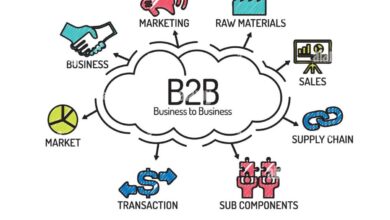
Traditional models like B2B (Business-to-Business) and B2C (Business-to-Consumer) have long dominated commerce. B2B focuses on transactions between companies—think manufacturers selling to wholesalers. B2C, on the other hand, involves direct sales to consumers, like Amazon or Apple.
However, as digital platforms and ecosystems grew, a hybrid approach emerged. The b2b2c model bridges the gap by allowing brands to maintain visibility and influence even when they’re not the final seller. For example, a skincare brand might manufacture products sold through a pharmacy chain, but still engage customers via loyalty programs or digital content.
Key Components of the B2B2C Framework
At its core, b2b2c involves three critical players:
- Supplier/Manufacturer (First B): Creates the product or service.
- Intermediary/Retailer (Second B): Distributes or sells the product to consumers.
- End Consumer (C): The final user who purchases and uses the product.
What makes b2b2c unique is the shared responsibility and collaboration between the first two parties in shaping the consumer experience. Unlike traditional B2B, where the supplier often disappears after delivery, in b2b2c, the supplier remains engaged in branding, marketing, and even customer service.
“The b2b2c model transforms passive suppliers into active partners in the customer journey.” — Harvard Business Review
Why B2B2C Is Revolutionizing Modern Commerce
The rise of digital platforms, omnichannel retail, and customer-centric strategies has made b2b2c not just relevant—but essential. Companies leveraging this model gain access to broader markets without the overhead of direct-to-consumer logistics.
Scalability Without Direct Customer Acquisition Costs
One of the biggest advantages of b2b2c is scalability. A manufacturer can partner with multiple retailers or platforms to reach millions of consumers without investing heavily in storefronts, delivery networks, or advertising.
For instance, a kitchenware brand might sell through Amazon, Walmart, and a specialty home goods retailer. Each channel handles fulfillment and customer service, while the brand focuses on product innovation and brand storytelling.
Enhanced Data Sharing and Customer Insights
In a true b2b2c partnership, data flows both ways. Retailers share anonymized purchasing behavior, while brands provide insights on product usage and feedback. This two-way exchange enables better inventory forecasting, personalized marketing, and faster innovation cycles.
According to a McKinsey report, companies using collaborative data models in b2b2c partnerships see up to 30% higher customer retention rates.
Real-World Examples of Successful B2B2C Models
Theoretical understanding is one thing, but real-world applications make the concept tangible. Let’s explore how major companies are leveraging b2b2c to dominate their markets.
Amazon Marketplace: The Ultimate B2B2C Ecosystem
Amazon isn’t just a retailer—it’s a platform where third-party sellers (B) list products that are bought by consumers (C). Amazon (the second B) handles logistics, payments, and customer service. But here’s the twist: brands like Anker or Tile maintain their identity, run ads, and collect reviews—all within Amazon’s ecosystem.
This model allows Amazon to offer vast product variety without holding inventory, while brands gain instant access to a global customer base. It’s a textbook example of b2b2c done right.
Automotive Industry: OEMs Partnering with Dealerships
Car manufacturers like Toyota or Tesla produce vehicles (first B), which are sold through dealerships (second B) to buyers (C). While Tesla has moved toward direct sales, most automakers still rely on dealerships.
Modern b2b2c strategies in this sector include manufacturer-funded digital showrooms, co-branded financing offers, and shared CRM systems. These integrations ensure that even though the dealership closes the sale, the OEM stays connected to the customer for service, updates, and loyalty programs.
How B2B2C Differs from Traditional B2B and B2C
Understanding the distinctions between b2b2c, B2B, and B2C is crucial for businesses deciding on their go-to-market strategy.
Control Over Customer Experience
In traditional B2B, the supplier has little to no interaction with the end user. Once the product is delivered to the retailer, the relationship ends. In B2C, the brand controls the entire journey—from marketing to post-purchase support.
In contrast, b2b2c requires a delicate balance. The brand influences the experience through packaging, digital content, and co-marketing, while the retailer manages the transaction and physical delivery. This shared control demands alignment and trust.
Revenue and Profit Sharing Models
B2B transactions are typically based on wholesale pricing with fixed margins. B2C involves direct pricing to consumers with full margin capture by the brand.
B2B2C introduces more complex financial arrangements. Revenue sharing, performance-based incentives, and marketing cost contributions are common. For example, a brand might pay a retailer a fee for featuring their product in a prime store location or online banner.
The Role of Technology in Enabling B2B2C Success
Without technology, b2b2c would be nearly impossible to scale. Digital platforms, APIs, and cloud-based systems are the backbone of seamless collaboration between businesses and their retail partners.
APIs and Integration Platforms
Application Programming Interfaces (APIs) allow different software systems to communicate. In a b2b2c setup, a brand’s inventory system can sync with a retailer’s e-commerce platform in real time.
For example, Shopify’s API enables thousands of suppliers to connect their warehouses to online stores, automatically updating stock levels and prices. This prevents overselling and ensures accurate order fulfillment—a critical factor in customer satisfaction.
Customer Data Platforms (CDPs) and Identity Resolution
One of the biggest challenges in b2b2c is maintaining a unified view of the customer when two entities are involved. Customer Data Platforms help by aggregating data from multiple touchpoints—online, in-store, mobile apps—into a single profile.
With identity resolution, both the brand and retailer can recognize the same customer across channels. This enables personalized offers, loyalty rewards, and better service—without violating privacy regulations like GDPR or CCPA.
Challenges and Risks in the B2B2C Model
While b2b2c offers immense opportunities, it’s not without pitfalls. Misalignment between partners, data silos, and brand dilution are real risks that must be managed.
Brand Consistency Across Channels
When multiple retailers sell your product, ensuring consistent branding becomes difficult. One store might display your product poorly, use incorrect messaging, or offer it at a discount that undermines your premium positioning.
Solution? Implement brand guidelines, conduct regular audits, and use digital asset management (DAM) systems to control how your brand is represented across partners.
Data Privacy and Ownership Conflicts
Who owns the customer data—the brand or the retailer? This is a frequent point of contention. Retailers often claim ownership because they facilitated the transaction, while brands argue they should have access to improve product development and service.
Best practice: Establish clear data-sharing agreements upfront. Define what data can be shared, how it’s anonymized, and for what purposes it can be used. Transparency builds trust and compliance.
Strategies for Building a Winning B2B2C Partnership
Success in b2b2c doesn’t happen by accident. It requires strategic planning, mutual goals, and ongoing collaboration.
Aligning Incentives and KPIs
Both parties must benefit. If the retailer sees no value in promoting your product, they won’t. Therefore, align key performance indicators (KPIs) such as sales volume, customer satisfaction, or repeat purchase rates.
Incentivize performance with bonuses, co-op advertising funds, or exclusive product launches. For example, a beverage company might offer a retailer early access to a limited-edition flavor if they achieve a certain sales target.
Co-Creating Value Through Joint Marketing
Joint marketing campaigns amplify reach and credibility. A skincare brand and a pharmacy chain could launch a “Healthy Skin Month” campaign, combining in-store displays, social media content, and email newsletters.
These campaigns should highlight both brands equally, creating a sense of partnership rather than hierarchy. According to a Forbes Tech Council article, co-branded initiatives in b2b2c models increase campaign effectiveness by up to 40%.
The Future of B2B2C: Trends to Watch
As consumer expectations evolve and technology advances, the b2b2c model will continue to grow in sophistication and adoption.
Rise of Private Label and White-Label Collaborations
More retailers are partnering with manufacturers to create exclusive products under their own labels. This is a form of b2b2c where the manufacturer produces the item, and the retailer brands and sells it.
Examples include Amazon Basics, Target’s Good & Gather, and Costco’s Kirkland Signature. These lines offer higher margins for retailers and steady demand for manufacturers, creating a win-win.
AI-Powered Personalization at Scale
Artificial intelligence is enabling hyper-personalized experiences even in indirect sales models. AI can analyze consumer behavior across multiple retailers and suggest tailored promotions or product recommendations from the original brand.
Imagine a fitness apparel brand using AI to send personalized workout tips and discount offers to customers who bought their leggings through a sports retailer—without ever having direct access to the customer’s contact info. This is possible through secure, privacy-compliant data partnerships.
What is b2b2c?
B2B2C, or Business-to-Business-to-Consumer, is a model where a company sells its products or services to another business, which then sells them to end consumers. It allows brands to extend their reach while leveraging the distribution power of retail partners.
How does b2b2c benefit manufacturers?
Manufacturers gain access to larger markets without the cost of building direct sales infrastructure. They also retain brand visibility and can collect valuable customer insights through partnerships with retailers.
What are common challenges in b2b2c models?
Key challenges include maintaining brand consistency across retailers, resolving data ownership issues, aligning incentives between partners, and ensuring seamless technology integration.
Can small businesses use the b2b2c model?
Absolutely. Small brands can partner with established marketplaces like Etsy, Amazon, or regional distributors to reach consumers. The model is scalable and accessible, especially with cloud-based tools and digital platforms.
Is b2b2c the future of retail?
While not replacing B2C entirely, b2b2c is becoming a dominant force in omnichannel commerce. Its ability to combine scale, efficiency, and brand engagement makes it a strategic choice for companies aiming to thrive in complex ecosystems.
The b2b2c model is more than a trend—it’s a fundamental shift in how businesses connect with consumers. By leveraging partnerships, technology, and shared value creation, companies can expand their reach, deepen customer relationships, and drive sustainable growth. As markets become more interconnected, mastering b2b2c will be a key differentiator for brands that want to stay ahead.
Further Reading: